Dog Breed Explorer
About Client
- Name: Test Project
- Services: Web Application
- Website: https://paw-pics.vercel.app
- Phone: +234 905 744 9447
Objective
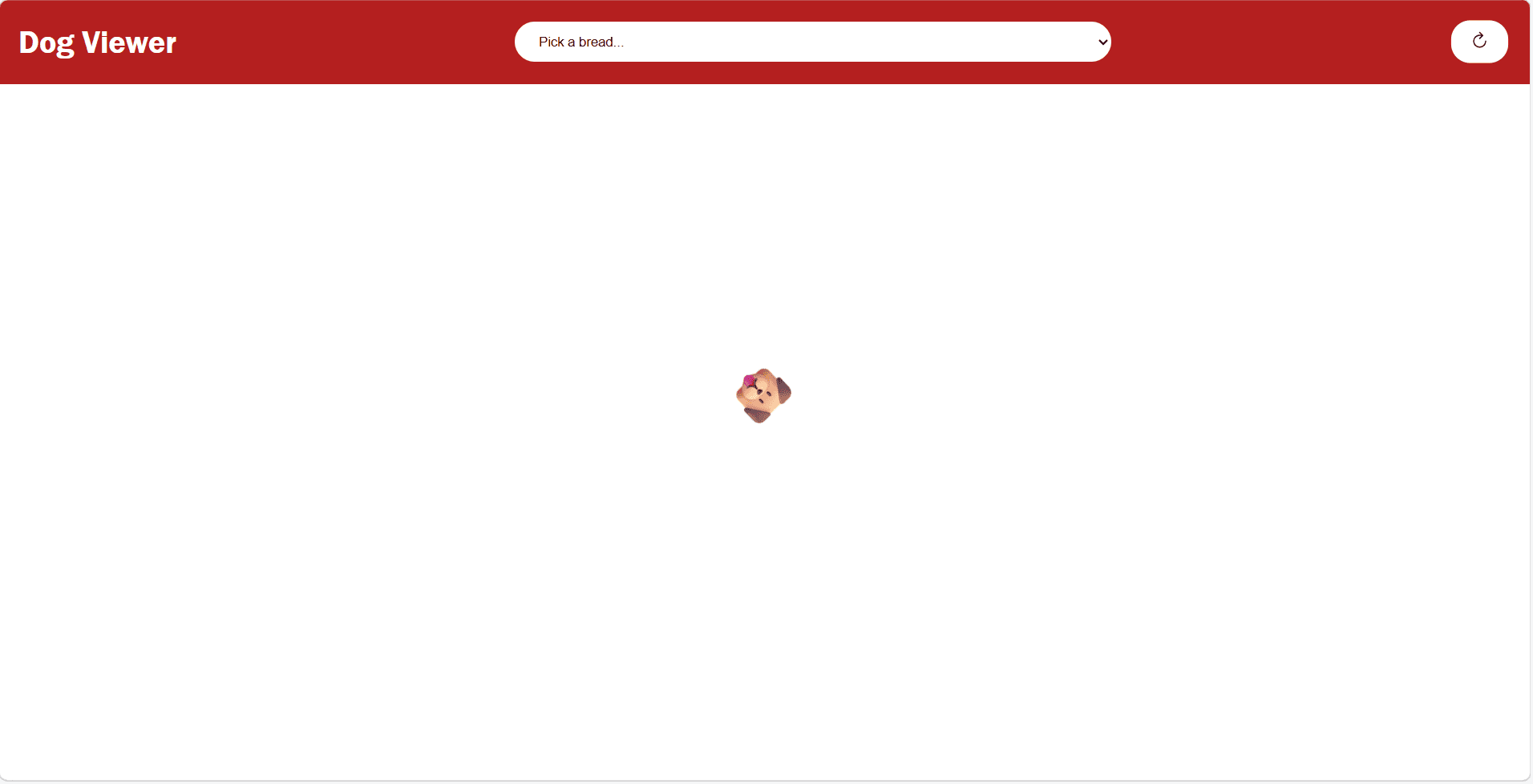
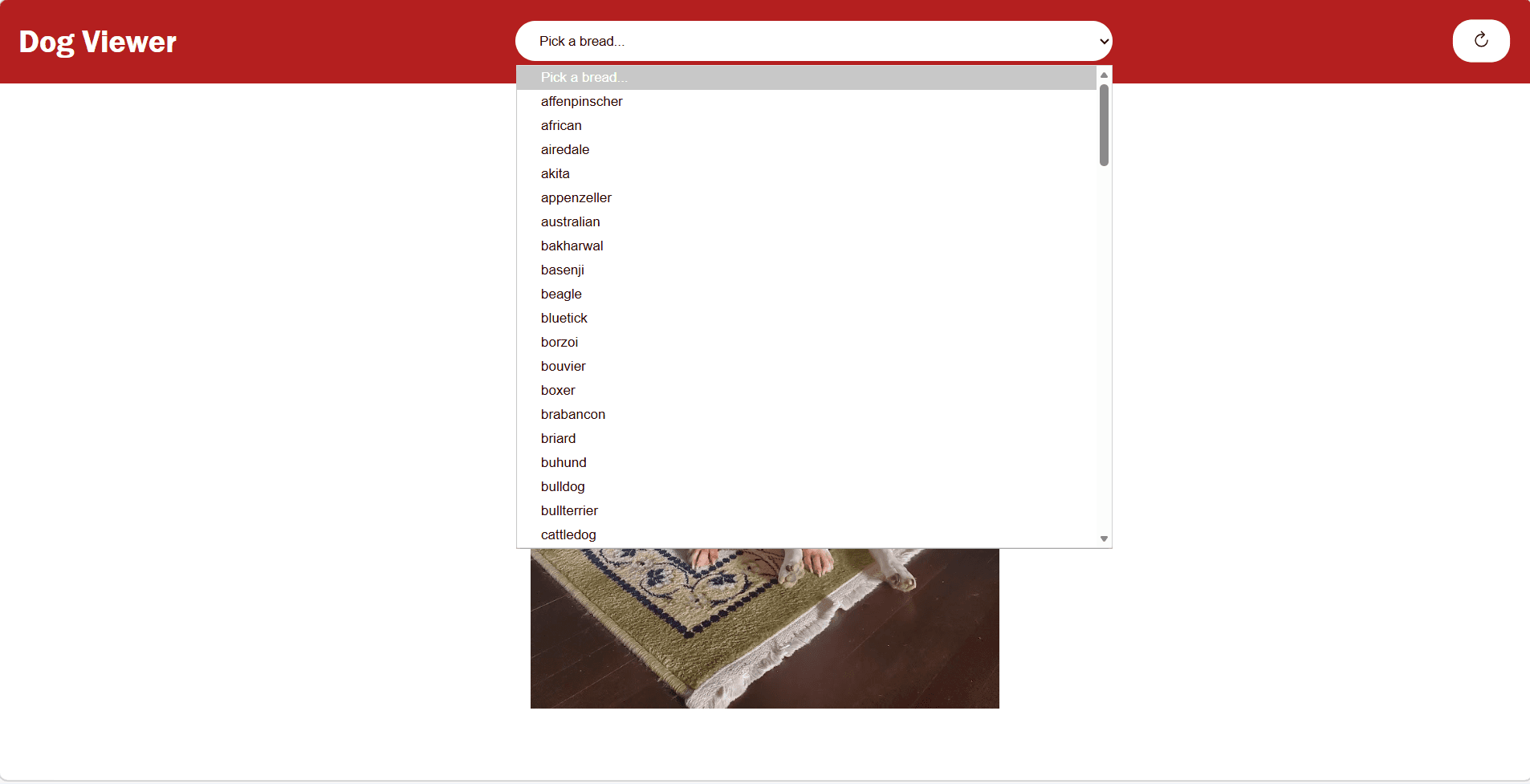
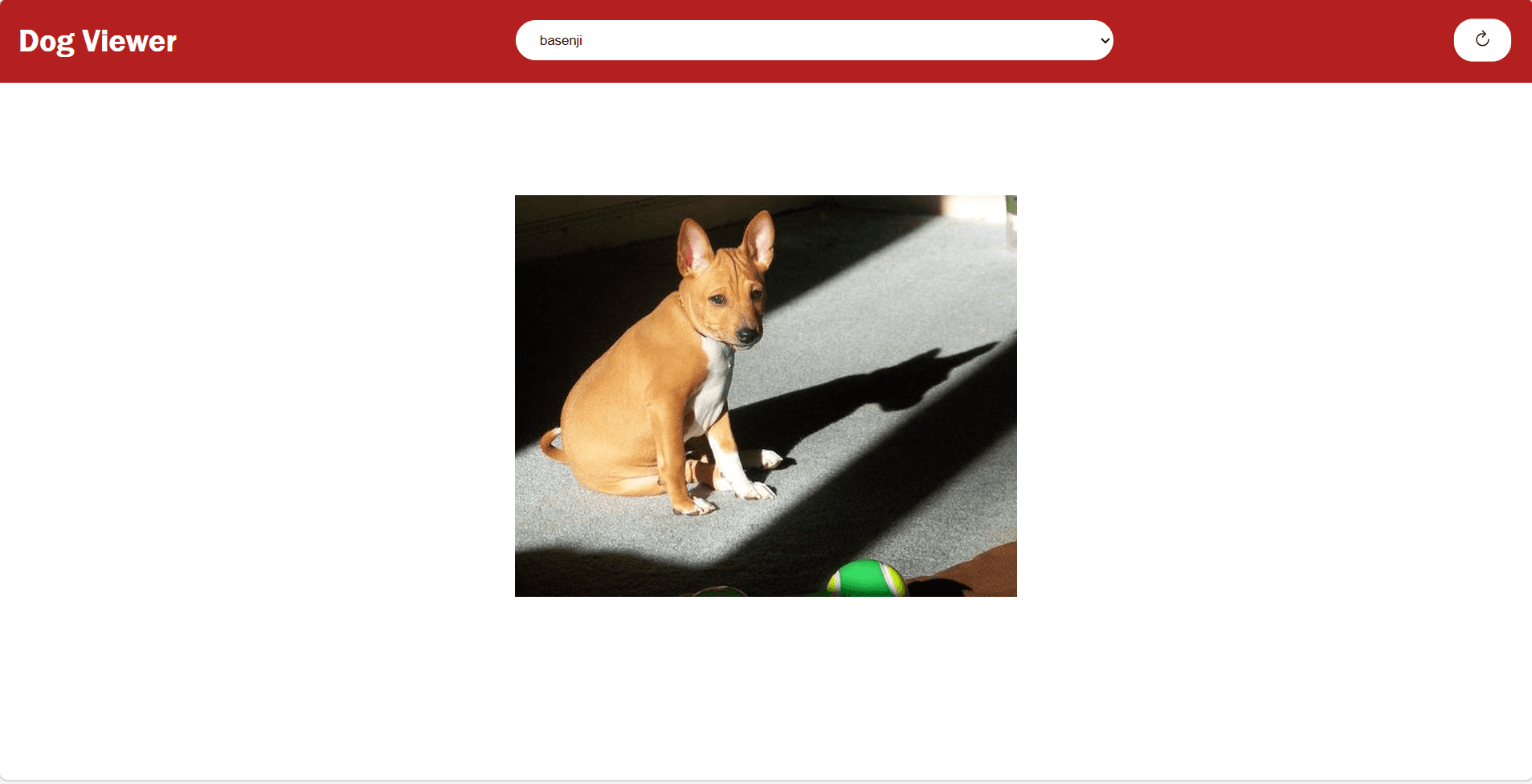
To develop an API-driven web application focused on learning and mastering API integration techniques. The primary objective was to gain practical experience working with external APIs by creating a dog explorer application that allows users to search and browse different dog breeds. Users can simply enter a breed name or type of dog to retrieve and display multiple images from the API, providing an interactive and educational experience in handling asynchronous requests, parsing JSON data, and dynamically rendering API responses.
Tools & Technologies
HTML, CSS, JavaScript, API Integration
Challenge
As a learning project, the primary challenge was understanding how to work with external APIs and make asynchronous HTTP requests. This involved learning about the Fetch API, promises, and async/await syntax in JavaScript. Understanding how to properly structure API calls, handle the asynchronous nature of network requests, and manage the application state while waiting for responses required a solid grasp of JavaScript's event loop and asynchronous programming patterns.
Implementing the search functionality presented challenges in understanding how to construct dynamic API endpoints based on user input. This required learning how to parse the API documentation to understand available endpoints, query parameters, and response structures. Building a search interface that could handle different breeds and types while maintaining a smooth user experience involved validating input, sanitizing search terms, and providing meaningful feedback when searches returned no results.
Error handling was a crucial learning aspect as API calls can fail for various reasons—network issues, invalid requests, or API limitations. The challenge was implementing robust error handling to manage these scenarios gracefully, displaying user-friendly error messages, and ensuring the application remained functional even when API calls failed. This included learning about try-catch blocks, handling different HTTP status codes, and providing fallback behaviors.
Dynamically rendering multiple images from API responses required understanding DOM manipulation and how to efficiently create and append elements based on data. The challenge involved parsing JSON responses, extracting image URLs, creating image elements programmatically, and organizing them in a visually appealing gallery layout. Managing loading states, implementing image lazy loading where appropriate, and ensuring responsive image display across different screen sizes added complexity to the implementation.
Related Projects